Chikungunya: An Overview of the Disease
Chikungunya, a viral disease caused by the Chikungunya virus (CHIKV), is a growing concern in tropical and subtropical regions worldwide. The name, derived from a Makonde language word meaning "to become contorted," describes the stooped appearance of those suffering from the disease due to severe joint pain.
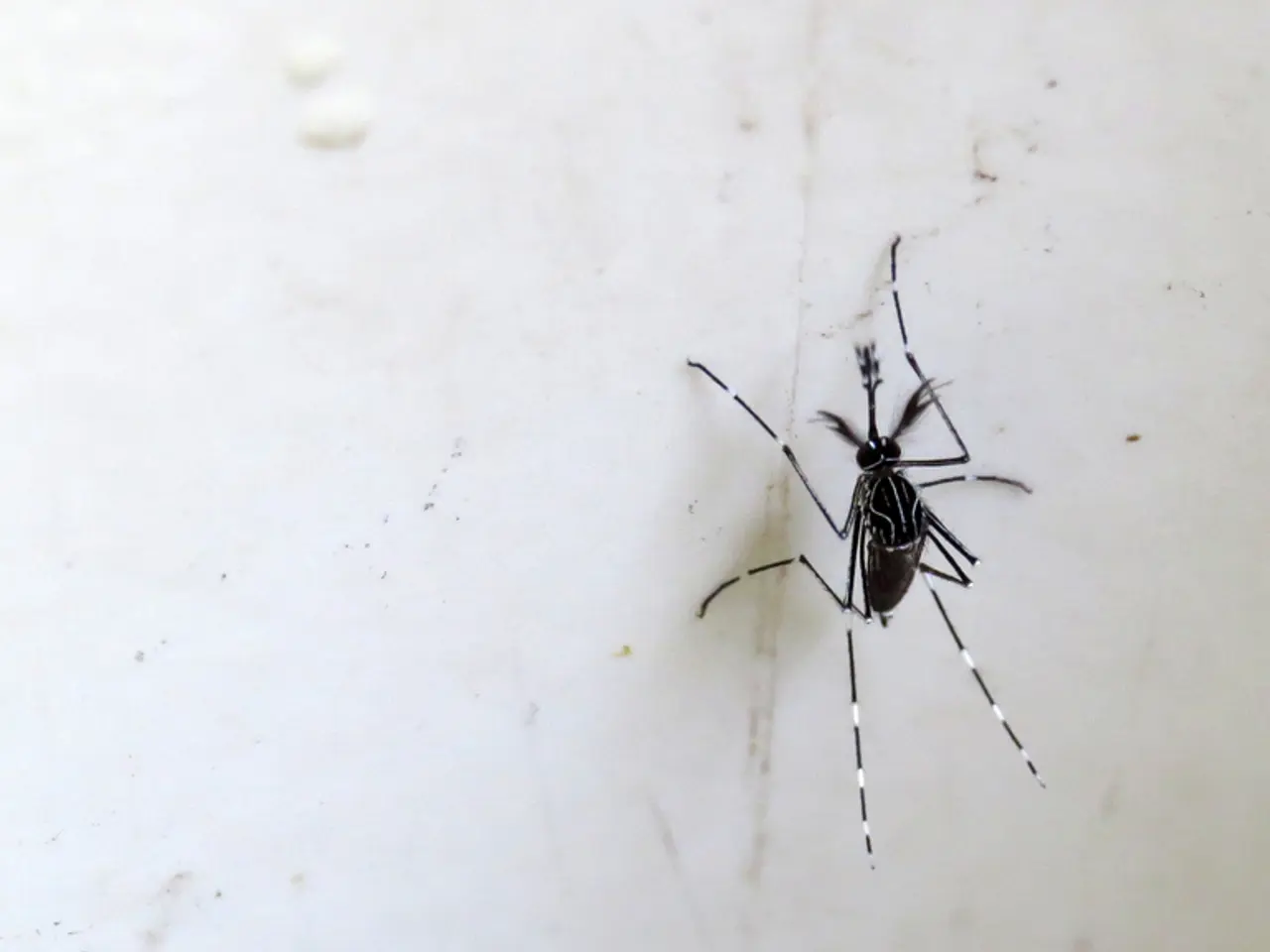
The primary transmission of the Chikungunya virus is through the bites of infected mosquitoes, particularly the Aedes aegypti and Aedes albopictus species. These mosquitoes are most prevalent during the rainy season, making certain regions, such as Tanzania, Kenya, Uganda, Senegal, Nigeria, Côte d'Ivoire, DR Congo, Cameroon, Mauritius, Seychelles, Madagascar, La Réunion, India, Sri Lanka, Thailand, Malaysia, Indonesia, the Philippines, Vietnam, Myanmar, Bangladesh, Brazil, Colombia, Venezuela, Peru, and the Caribbean, more susceptible to outbreaks. Regions like Mombasa in Kenya and islands such as La Réunion and Mayotte have shown frequent outbreaks, with La Réunion experiencing about one-third of its population infected during the 2025 outbreak.
Symptoms of Chikungunya typically appear 2 to 12 days after being bitten by an infected mosquito. They include fever, joint pain, muscle pain, headache, rash, and fatigue. If you suspect you have Chikungunya, it is essential to consult a healthcare professional for proper diagnosis and management.
Diagnosing Chikungunya can be challenging due to symptoms resembling those of other viral infections. However, laboratory tests such as serological tests, Polymerase Chain Reaction (PCR), and virus isolation can confirm the diagnosis.
Preventive measures against Chikungunya include vector control (eliminating standing water around homes), personal protection (using insect repellent, wearing long sleeves and pants, and using mosquito nets), community awareness, and vaccination research updates. Mosquito control measures include eliminating standing water, using insect repellents, installing screens, wearing protective clothing, and participating in clean-up campaigns.
Community involvement is vital in preventing Chikungunya outbreaks. By sharing information, educating others, and reporting breeding sites to local health authorities, communities can play a significant role in combating this viral threat.
For those experiencing prolonged joint pain, physical therapy may be beneficial to improve mobility and reduce pain. Post-chikungunya arthritis is a condition where some individuals may experience persistent joint pain and fatigue for months or even years after the initial infection.
Effective symptomatic relief for Chikungunya includes over-the-counter pain relievers like acetaminophen or ibuprofen, staying hydrated, and adequate rest. In addition, staying informed about Chikungunya and related viruses is crucial. Reputable health organizations such as the World Health Organization (WHO) or the Centers for Disease Control and Prevention (CDC) provide valuable information on these topics.
While most people recover fully from Chikungunya within a week, some may experience lingering joint pain and fatigue for months or even years. Living with Chikungunya requires understanding symptoms, managing symptoms, and adapting to long-term effects.
The World Health Organization (WHO) has emphasized the need for increased vigilance and preparedness to combat such viral threats, including Chikungunya and other mosquito-borne diseases like the Oropouche virus. With global travel increasing, the Chikungunya virus can be transmitted to new areas, making it essential to remain informed and take preventive measures.
Read also:
- Understanding Hemorrhagic Gastroenteritis: Key Facts
- Stopping Osteoporosis Treatment: Timeline Considerations
- Tobacco industry's suggested changes on a legislative modification are disregarded by health journalists
- Expanded Community Health Involvement by CK Birla Hospitals, Jaipur, Maintained Through Consistent Outreach Programs Across Rajasthan