
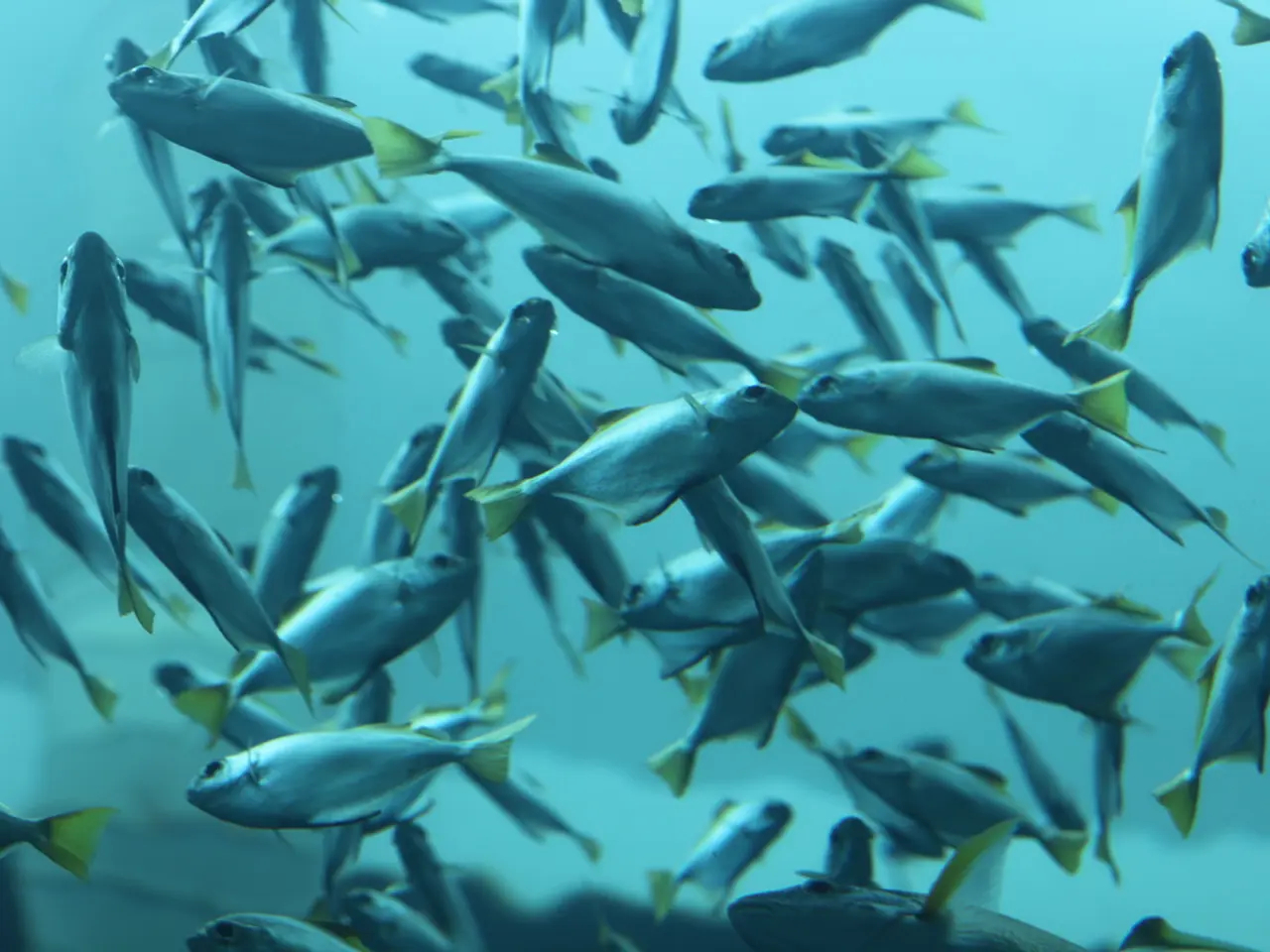
Controversy regarding the health status of Indian Ocean tuna
The Indian Ocean Tuna Commission (IOTC) has faced criticism over its recent changes in methodology for assessing yellowfin tuna stocks in the Indian Ocean. The new approach, which includes the use of data from the Arabian Sea and cluster analysis, has raised concerns among scientists and conservationists.
One of the main criticisms is the use of patchy and unreliable data from the Arabian Sea, which could lead to inaccurate overall assessments of yellowfin tuna populations. Additionally, the use of cluster analysis to identify fishing methods based on the species mixture in catches has been questioned, particularly in tropical areas like the Indian Ocean, where bigeye and yellowfin tuna fishing methods are similar.
Another point of contention is the last-minute submission of the analyses for the 2024 yellowfin tuna stock assessment, leaving little time for peer review or scrutiny. This has fueled concerns about the scientific integrity of the assessment process and undermined trust in the management of tuna fisheries by stakeholders and the public.
The new methodology, defended by the IOTC as more stable and robust than previous ones, has been met with skepticism from outside experts, who believe the assessment may be wrong. Some scientists, such as Callum Roberts from the University of Exeter, have expressed doubt about the recovery of the Indian Ocean's yellowfin tuna population.
The IOTC's decision to change the status of yellowfin tuna from "overfished" or subject to overfishing to a healthier status in 2024 has also been met with controversy. Isabella Lövin, a Swedish member of the European parliament, believes that the yellowfin assessments must be scrutinized by independent experts.
Conservationists warn that a collapse in the yellowfin population could have serious repercussions for Indian Ocean ecosystems and the livelihoods of tens of millions of people in coastal areas. The Indian Ocean is the world's second largest tuna producing region, accounting for over a fifth of the world's supply and worth US$2.3 billion annually.
The IOTC's stance on the health of tuna populations has been linked to the influence of the European Union's fishing lobby, with some claiming that the shift is due to the presence of a large European Union fleet in the Indian Ocean. The European Union delegation to IOTC meetings has more than doubled in recent years, with one in five delegates representing the European Union.
The committee's decision to set catch limits for individual countries has also been criticized, as there have been no examples of action being taken against those who exceed these limits. The source who criticized the data analysis asked to remain anonymous to protect their ongoing work.
The IOTC maintains that the 2024 yellowfin stock assessment was conducted in a "collaborative and transparent way," according to Merino, deputy chair of the IOTC's scientific committee. However, the controversy surrounding the new methodology and the potential impact on the sustainability of yellowfin tuna stocks in the Indian Ocean remains a significant concern for many scientists and conservationists.
References:
- Controversial Changes to IOTC's Yellowfin Tuna Assessment Methodology
- Yellowfin Tuna Population in the Indian Ocean: A Collapsing Resource
- EU's Influence on IOTC's Yellowfin Tuna Assessment
- The Indian Ocean Tuna Commission (IOTC) has faced criticism for its new approach to assessing yellowfin tuna stocks, which includes data from the Arabian Sea and cluster analysis.
- There are concerns about the use of patchy and unreliable data from the Arabian Sea in the yellowfin tuna assessments, which could impact the overall assessments of the population.
- The use of cluster analysis to identify fishing methods has been questioned, particularly in tropical areas like the Indian Ocean, where bigeye and yellowfin tuna fishing methods are similar.
- The IOTC's decision to change the status of yellowfin tuna from "overfished" or subject to overfishing to a healthier status in 2024 has been met with controversy.
- Conservationists warn that a collapse in the yellowfin population could have serious repercussions for Indian Ocean ecosystems and the livelihoods of tens of millions of people in coastal areas.
- The European Union's fishing lobby has been linked to the IOTC's decision on the health of tuna populations, with one in five delegates representing the European Union at IOTC meetings.
- The IOTC maintains that the 2024 yellowfin stock assessment was conducted in a "collaborative and transparent way," but the controversy surrounding the new methodology and its potential impact on the sustainability of yellowfin tuna stocks remains a concern for many scientists and conservationists.




