
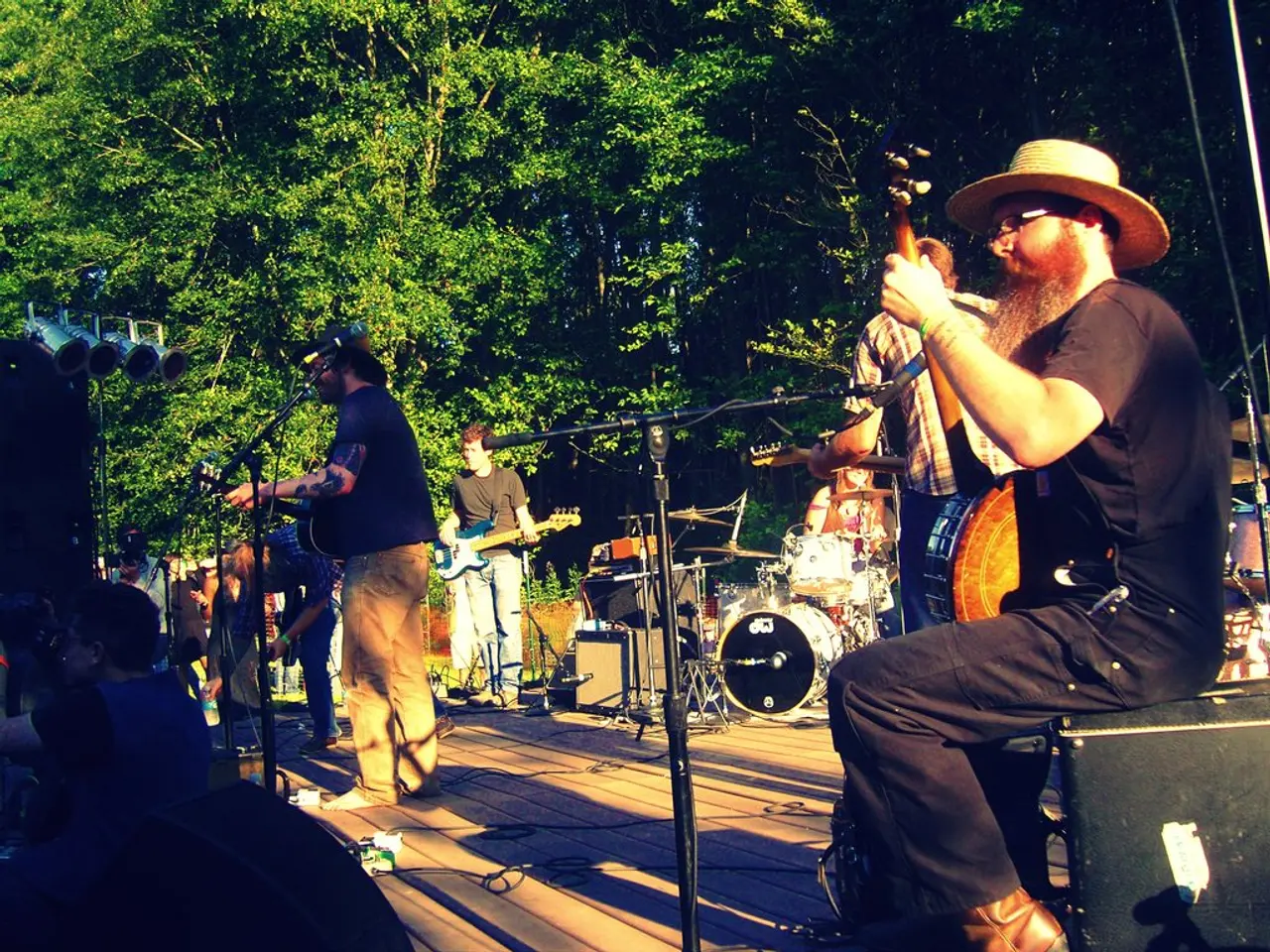
Crafting Tunes Amid Global Warming
Rebuilding Music for a Greener Future
Music, an art form as old as human civilization, is evolving in response to the pressing issue of climate change. From the grassroots level to the mainstream industry, artists and organisations are taking extraordinary steps to create a more sustainable music ecosystem.
The music industry, which has existed since before the first oil rig was built and the first pipeline was laid, is now facing the reality of its environmental impact. Concert merchandise contributes to the growing piles of disposable fashion clogging ports of cities, and outdoor music gigs tend to run on portable, gas-powered generators. The aftermath of a festival often looks like a graveyard for single-use plastic.
However, change is on the horizon. A 2019 study found that in 2000, around the peak of CD sales, the U.S. music industry used about 67,241 tons of plastic. Today, streaming accounted for 84% of total U.S. music industry revenues in 2021, reducing physical waste significantly.
Leading the charge is a growing number of artists lending their voices to the cause of climate change. Everyone from Billie Eilish to SZA to Bon Iver has spoken out in recent years. Dawn Richard, a musician who was a member of Danity Kane, is using her music to tell her own climate story and encouraging other artists to do the same. Xiuhtezcatl Martinez, a 22-year-old Xochimilco artist and activist, believes deeply in the vision that music could bring about healing for the planet.
Organisations like Julie's Bicycle, founded in 2007 to mobilise the cultural sector for climate protection, are providing practical solutions. The Association of Independent Music's chairperson, Quicke, started a climate task force and rallied behind initiatives like the Music Climate Pact, which has drawn commitments from major players like Universal, Sony, and Warner Brothers.
Moreover, artists are being trained to become more comfortable talking to the media about climate change through programmes like Music Declares Emergency. Frank Waln, a Lakota artist, encourages artists who care about climate change to write that message into their music. Martinez advocates for centering the voices and stories of Indigenous people and advocates that those on the frontlines of the climate crisis be at the forefront of decision-making.
However, it's important to note that the "green transition" is not simply a shift away from the use of plastics, metals, or other resources mined from the Earth. Devine argues that the true culprits when it comes to climate breakdown are capitalism and its accompanying class structure. Waln resists what he calls the "McDonald's version" of music-making, which equates success with being the biggest or most famous or making the most money.
In a world where flights taken by top DJs to gigs in 2019 emitted the equivalent of almost 39 tons of carbon dioxide, the need for a more equitable framework in the music industry is clear. To rebuild the way we make music from the ground up around this framework will require a million acts, large and small, of extraordinary imagination.
Read also:
- Understanding Hemorrhagic Gastroenteritis: Key Facts
- Stopping Osteoporosis Treatment: Timeline Considerations
- Tobacco industry's suggested changes on a legislative modification are disregarded by health journalists
- Expanded Community Health Involvement by CK Birla Hospitals, Jaipur, Maintained Through Consistent Outreach Programs Across Rajasthan








