
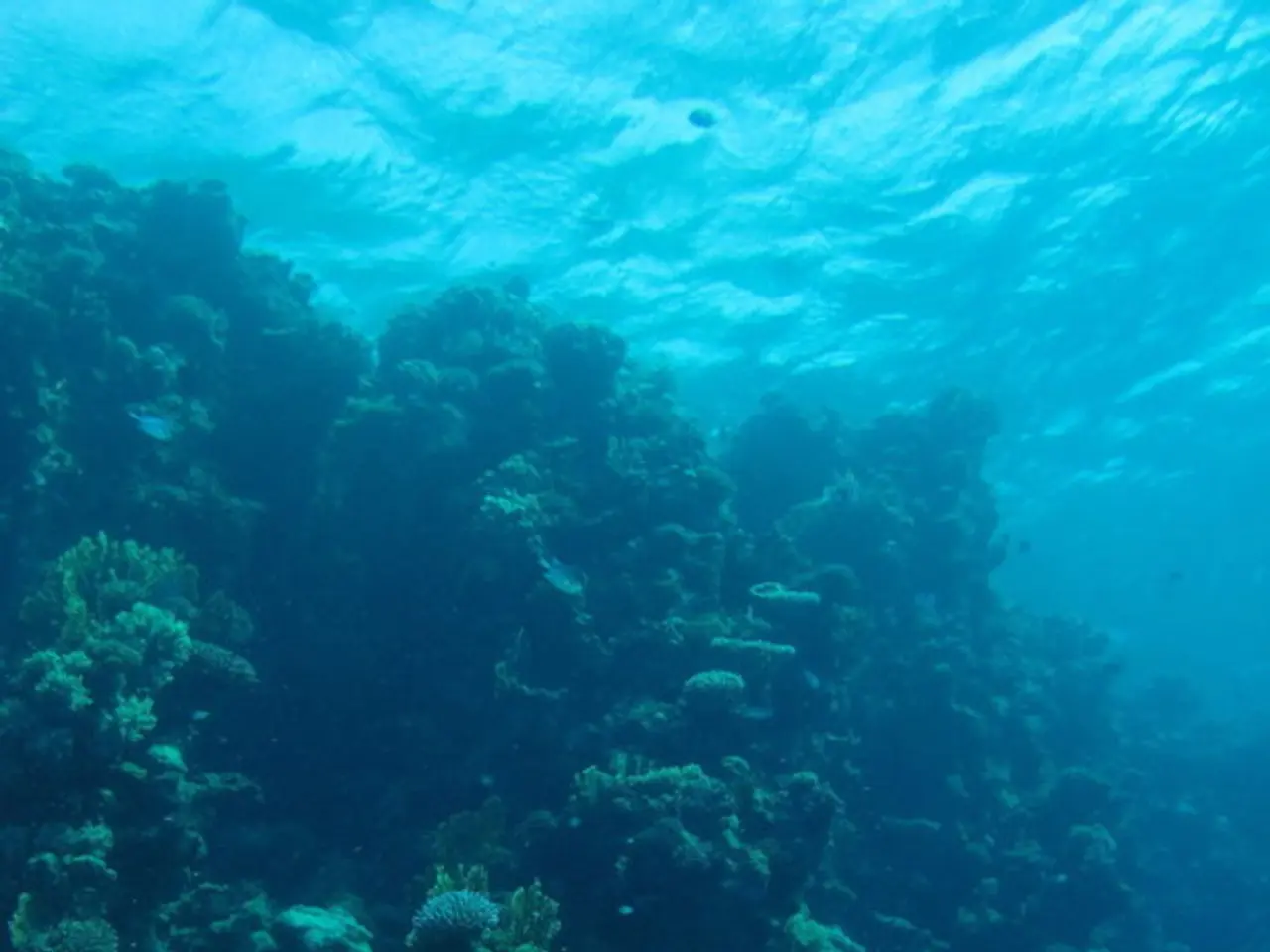
Discovered in the ocean depths: 100-million-year-old marine creatures by scientists
================================================================================
A groundbreaking study published in Nature Communications has revealed the resilience of life in extreme environments, as microbes buried beneath the ocean floor for up to 100 million years have been revived.
The study, led by Professor Steven D'Hondt at the University of Rhode Island, confirms that life can persist in subseafloor sediments for far longer than previously imagined. Oceanographers and microbiologists have debated the capacity of microbes to endure the harsh conditions of subseafloor sediments, which are characterized by extreme nutrient scarcity, low temperatures, and immense pressure.
In the laboratory, these sediments were analyzed using advanced molecular and imaging techniques, which confirmed the presence of viable microbial cells. The subseafloor microbes exist under "energy-starved" conditions, relying on sporadic chemical reactions between minerals and seawater to sustain minimal metabolic activity.
The calculated energy flux for subseafloor sedimentary microbes is barely sufficient for molecular repair, indicating that DNA repair is crucial for the survival of these organisms. Subseafloor microbial communities have persisted in isolation for tens of millions of years, offering unprecedented insight into the resilience of life in extreme environments.
Professor D'Hondt stated that these are the oldest microbes revived from a marine environment. The study provides evidence that life can persist in environments previously thought to be inhospitable, expanding our understanding of the potential for life to exist in extreme environments.
The study involved extracting sediment cores from the abyssal plains of the Pacific Ocean to avoid contamination from modern microbial communities. The number of generations for subseafloor sedimentary microbes could be inconceivably low.
Subseafloor microbes maintain essential cellular functions at incredibly low metabolic rates for geological timescales. The revived microbes were successfully observed to survive and reproduce after being reintroduced to laboratory conditions. Professor D'Hondt stated that the microbes can engage in a wide variety of metabolic activities when returned to the surface world.
The findings challenge traditional assumptions about the survival limits of life, particularly in energy-limited ecosystems where chemical reactions occur at minimal rates over millions of years. The endurance of subseafloor microbes illustrates a form of life that operates at the edge of biological possibility. The study on the revitalization of microbes under the ocean floor for up to 100 million years was published by an international research team.
Read also:
- Understanding Hemorrhagic Gastroenteritis: Key Facts
- Stopping Osteoporosis Treatment: Timeline Considerations
- Tobacco industry's suggested changes on a legislative modification are disregarded by health journalists
- Expanded Community Health Involvement by CK Birla Hospitals, Jaipur, Maintained Through Consistent Outreach Programs Across Rajasthan








