
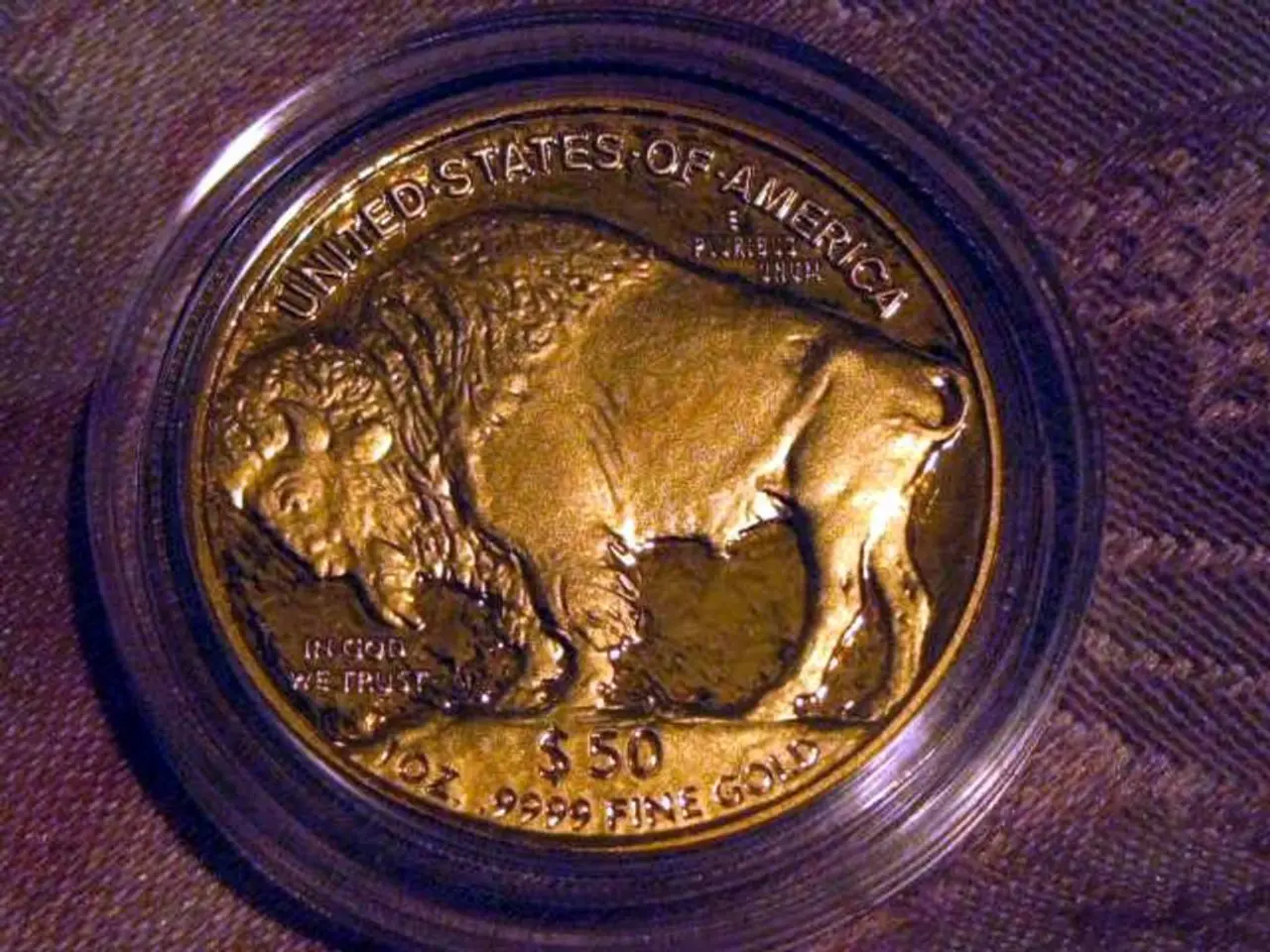
Fiat currency versus Bitcoin: This visual demonstration illustrates how regular money erodes wealth, while Bitcoin serves as a safeguard against inflation
In the past decade, the purchasing power of many traditional currencies has been eroded by inflation, institutional collapse, and monetary expansion. This is particularly evident in Venezuela, where the bolivar has lost almost all of its value, forcing citizens to seek alternatives.
A study by the Digital Assets Research Institute and the Human Rights Foundation revealed that at least 329,000 refugees have used Bitcoin to protect their savings as they cross borders and finance their resettlement. This erosion of purchasing power affects savings, financial planning, pensions, and patrimonial stability.
In 2015, $10,000 in cash represented a solid savings base in Venezuela. Today, that same amount retains only 60% of its purchasing power. Contrastingly, Bitcoin's value has multiplied by more than 270 times, going from around $400 to surpassing $110,000, and even $124,000, in August 2025.
Bitcoin's digital, decentralized, and resistant-to-censorship nature has allowed individuals in critical situations to maintain control over their resources. Its monetary policy is transparent and predictable, with every four years its emission being halved in an event known as "halving", reinforcing its scarcity. Bitcoin has a ceiling of 21 million units, making it a non-dilutable asset, immune to inflation induced by monetary expansion.
Monetary expansion, driven by central banks that print money to finance public spending or rescue strategic sectors, has been a constant in the last decade. Inflation has become a structural tool in many economies to sustain fiscal deficits, stimulate consumption, or cushion financial crises.
In contexts where fiat money erodes due to inflation, controls, or institutional collapse, Bitcoin emerges as a silent but powerful refuge. This is evident in countries like Venezuela, where inflation has been one of the most severe in recent years. In Argentina, annual inflation exceeds 100%, and the Argentine peso has witnessed multiple devaluation cycles.
Bitcoin's decentralized nature makes it resistant to censorship, confiscation, or manipulation. In communities affected by inflation, devaluation, or monetary restrictions, Bitcoin has been used as a way to preserve value over time. For hundreds of thousands of people, Bitcoin is not about speculation or technological promises, but a real way to preserve value, cross borders, and rebuild lives.
The US dollar has also lost approximately 40% of its purchasing power in the last decade, underscoring the global trend of diminishing faith in traditional currencies. As the world grapples with economic instability, Bitcoin's unique characteristics continue to make it an attractive alternative for those seeking a stable store of value.
Read also:
- Understanding Hemorrhagic Gastroenteritis: Key Facts
- Stopping Osteoporosis Treatment: Timeline Considerations
- Trump's Policies: Tariffs, AI, Surveillance, and Possible Martial Law
- Expanded Community Health Involvement by CK Birla Hospitals, Jaipur, Maintained Through Consistent Outreach Programs Across Rajasthan








