Insights Gleaned from Within the Technology-Driven Education Shift
In the rapidly advancing digital age, the education sector is grappling with the pressing need for security, as highlighted by a recent study conducted by Bloxx in January. The study, which gathered responses from executives in primary and secondary schools, district authorities, and higher educational institutions, aimed to understand the measures and guidelines educational establishments were implementing regarding BYOD (Bring Your Own Device) and social media use.
The findings suggest that cyber bullying, inappropriate content, and a lack of control are the main concerns for social media and BYOD for the vast majority of respondents. Despite these concerns, only 17% of schools ban BYOD, and 31% of respondents prefer a strategy of policy setting around their use. Approximately one-third of executives interviewed have decided to ban social media use completely due to the associated risks.
The education sector is starting to take note of these security issues and their potential impacts, with a focus on risk mitigation. More effective real-time web filtering is seen as the most direct route to stopping these concerns. Basic web filtering is still employed by 71% of IT executives on BYOD devices, but this is no longer a viable option due to the power of the internet for research and presentation.
The past 12 months have seen numerous hacks, breaches, and security issues affecting major companies, highlighting the importance of strong security systems. Events such as the BETT education technology show and Safer Internet Day remind the education sector about the importance of internet user safeguarding.
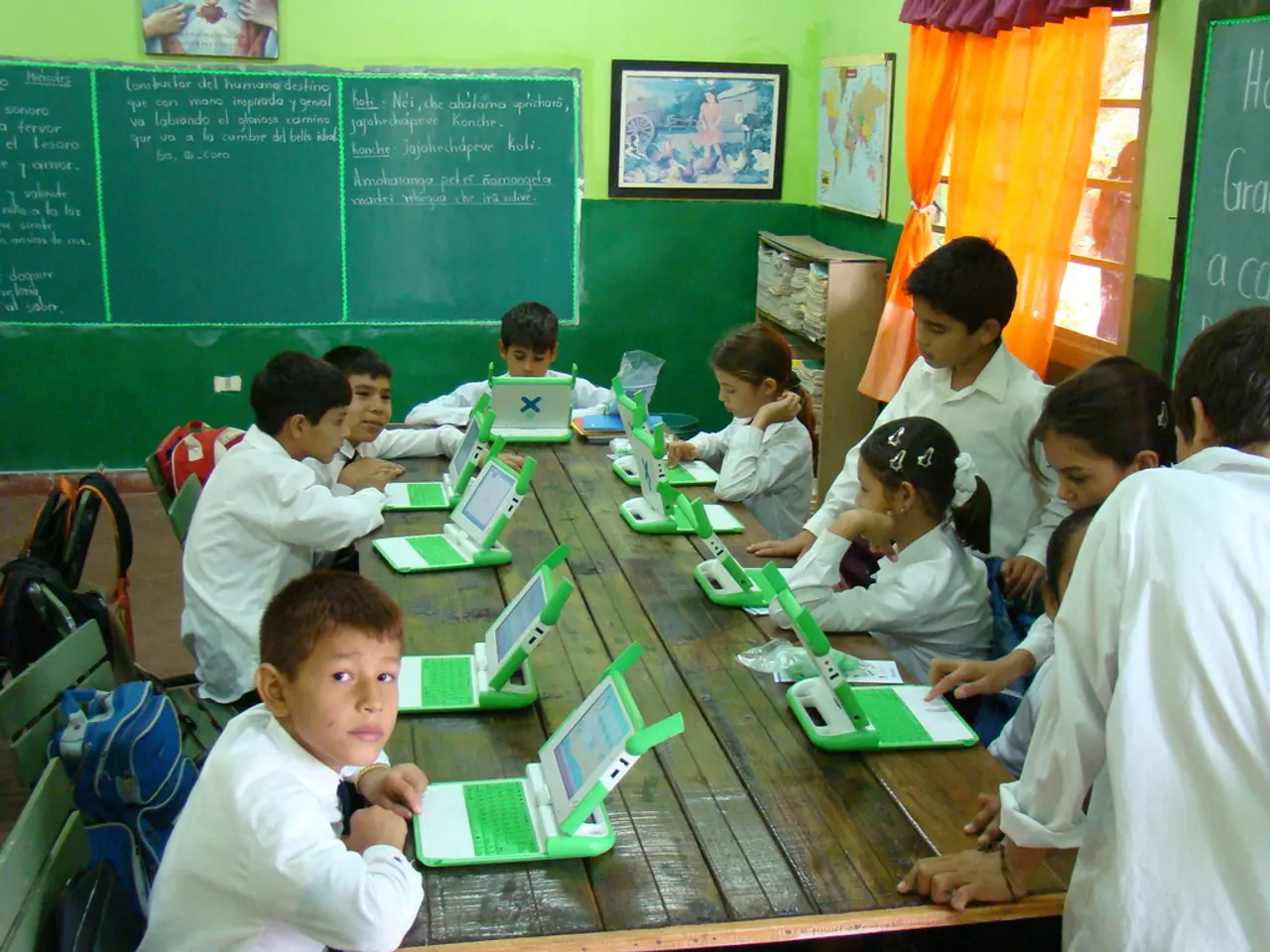
In a modern, IT-literate education system, this kind of dynamic approach, enhanced by education rather than static filtering, can only be seen as a good thing. Many organizations are encouraging students to bring their own devices into classes to help accelerate the adoption of new learning technologies. Collaborative learning has seen the widespread adoption of BYOD and social media in educational establishments.
However, students in education, with their innate technological knowledge, pose unique challenges for IT security in schools and colleges. The culture of education and the culture of the professional workplace differ significantly when it comes to security and safeguarding measures.
Approximately 41% of establishments without an acceptable usage policy for social media are looking to implement one. The proactive implementation of new policies points to a more education-based approach, rather than traditional web filters and blocking sites.
Technology is increasingly prevalent in education, with the web driving rapid adaptation, as demonstrated by Google apps, mobility, and software programming. The survey findings suggest that a pressing need for security in education to move forward, as it seems to be struggling to keep up with the breakneck speed technology is advancing at.
In conclusion, the education sector is recognising the importance of addressing security concerns related to the integration of personal devices and social media usage in schools and universities. The focus is shifting towards a more proactive and education-based approach, which is a positive step towards a safer and more secure digital learning environment.
Read also:
- Understanding Hemorrhagic Gastroenteritis: Key Facts
- Trump's Policies: Tariffs, AI, Surveillance, and Possible Martial Law
- Expanded Community Health Involvement by CK Birla Hospitals, Jaipur, Maintained Through Consistent Outreach Programs Across Rajasthan
- Abdominal Fat Accumulation: Causes and Strategies for Reduction