
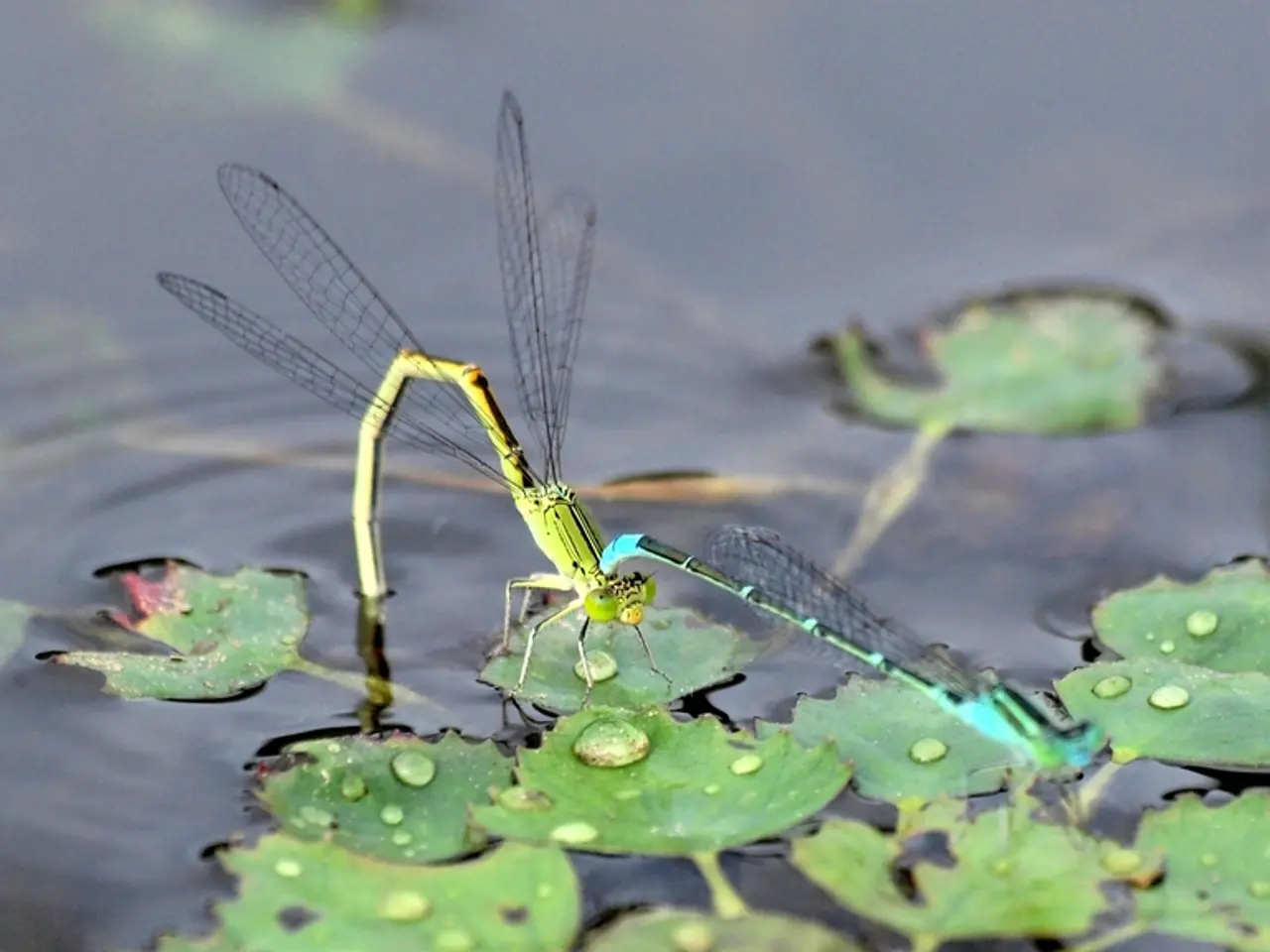
Organic Pest Management for Bonsai Trees: Allies in the Battle Against Pests through Beneficial Insects
In the world of bonsai cultivation, maintaining a delicate balance between pests and their natural predators is essential for the health and vitality of these miniature trees. By introducing beneficial insects into a bonsai collection, enthusiasts can create a natural pest control system that reduces dependence on chemical treatments.
To establish this system, focus on creating a hospitable environment that attracts and sustains beneficial species such as ladybugs, lacewings, and parasitic wasps.
Attracting Beneficial Insects
Planting companion flowers and herbs near your bonsai is an effective way to attract these beneficial insects. Chamomile, daisies, marigolds, and yarrow produce nectar and pollen, providing food and shelter for ladybugs, lacewings, and parasitic wasps.
Releasing Beneficial Insects
Purchasing lacewing eggs or larvae, ladybugs, or parasitic wasps from reputable suppliers and releasing them near bonsai pest hotspots can help control pests naturally. Lacewing larvae feed aggressively on soft-bodied pests like aphids, thrips, and whiteflies, while parasitic wasps target specific pest larvae and eggs.
Maintaining Proper Environmental Conditions
Beneficial insects thrive in environments with adequate humidity and minimal pesticide stress. Using a bonsai mist spray can help provide moisture and condition leaves, supporting the health of both the bonsai and the beneficial insects within the microhabitat.
Avoiding Chemical Pesticides
Chemical sprays can kill beneficial insects along with pests, so minimizing or eliminating pesticide use helps sustain natural biological control.
By integrating flowering companion plants, selectively releasing beneficial insects, and enhancing microclimate conditions with supportive sprays, you establish a natural, efficient pest control system for bonsai cultivation that reduces dependence on chemical treatments.
When considering indoor releases of beneficial insects, carefully evaluate the specific beneficial insect and its requirements, ensuring a suitable environment and minimizing potential disruptions to your home or bonsai trees.
Careful pesticide use is crucial to avoid decimating beneficial insect populations and disrupting the balance of the miniature ecosystem. Pest suppression, ecosystem balance, nutrient cycling, and biodiversity are benefits of a balanced bonsai ecosystem.
However, it's important to note that beneficial insects are not effective against fungal diseases in bonsai, as they primarily target insect-based threats. Fungal diseases require targeted treatments, such as fungicides or cultural adjustments.
During winter, beneficial insects enter dormancy, their populations dwindling like autumn leaves. To protect these valuable allies, provide sheltered habitats, such as brush piles or insect hotels, and maintain a pesticide-free environment, ensuring their survival until spring's renewal.
When combining beneficial insects with chemical pesticides, exercise caution, as these can harm or kill beneficial insects, undermining their effectiveness and potentially disrupting the ecosystem's balance.
A balanced ecosystem is pivotal for the long-term health and vitality of bonsai trees. Distinguishing beneficial insects from pests on bonsai requires observing their behavior, body shape, and coloration; beneficial insects tend to be smaller, more agile, and have distinct markings, whereas pests often appear larger and more sluggish.
By attracting beneficial insects, bonsai enthusiasts can create a safeguard against pest infestations, ensuring their trees thrive. Beneficial insects feed on common bonsai pests, reducing the risk of infestation and protecting the trees from damage.
Marigold, dill, borage, and chives are exemplary companion plants for bonsai, attracting beneficial insects like ladybugs and lacewings. By implementing these strategies, bonsai enthusiasts can foster a thriving ecosystem, promoting the health and beauty of their miniature trees.
[1] The Spruce, "How to Attract Beneficial Insects to Your Garden," https://www.thespruce.com/attract-beneficial-insects-4126605 [2] Gardening Know How, "Beneficial Insects for Pest Control," https://www.gardeningknowhow.com/garden/beneficial/beneficial-insects-for-pest-control.htm [3] The Bonsai Garden, "Bonsai Pest Control: Using Beneficial Insects," https://www.thebonsaigarden.com/bonsai-pest-control-using-beneficial-insects/ [4] The Bonsai Forum, "Using Beneficial Insects for Bonsai Pest Control," https://www.bonsaiforum.com/threads/using-beneficial-insects-for-bonsai-pest-control.37992/
A harmonious lifestyle fosters the health of miniature trees, like bonsai. By integrating 'fashion-and-beauty' with companion plants such as chamomile, daisies, marigolds, and yarrow, one can create an environment that attracts and sustains beneficial insects.
Hobbies like cultivating bonsai extend to other interests, such as 'home-and-garden' and 'pets'. Homeowners can release beneficial insects like ladybugs, lacewings, and parasitic wasps near 'pest hotspots' to maintain a natural pest control system.
Caring for a pet bonsai requires knowledge about its environment and the insects that aid in its protection. Maintaining proper humidity and a minimal use of 'chemical pesticides' help ensure the well-being of both the bonsai and the beneficial insects.
An 'education-and-self-development' in 'weather' conditions can help bonsai enthusiasts protect beneficial insects during winter, by providing sheltered habitats and maintaining a pesticide-free environment.
Balancing the 'sports' of bonsai cultivation with various 'casino-and-gambling' activities can bring both tranquility and excitement, much like attracting beneficial insects and enjoying a game of chance.
Finally, fostering a diverse 'shopping' list of companion plants, like marigold, dill, borage, and chives, offers a thriving ecosystem that supports the health and beauty of bonsai trees.




