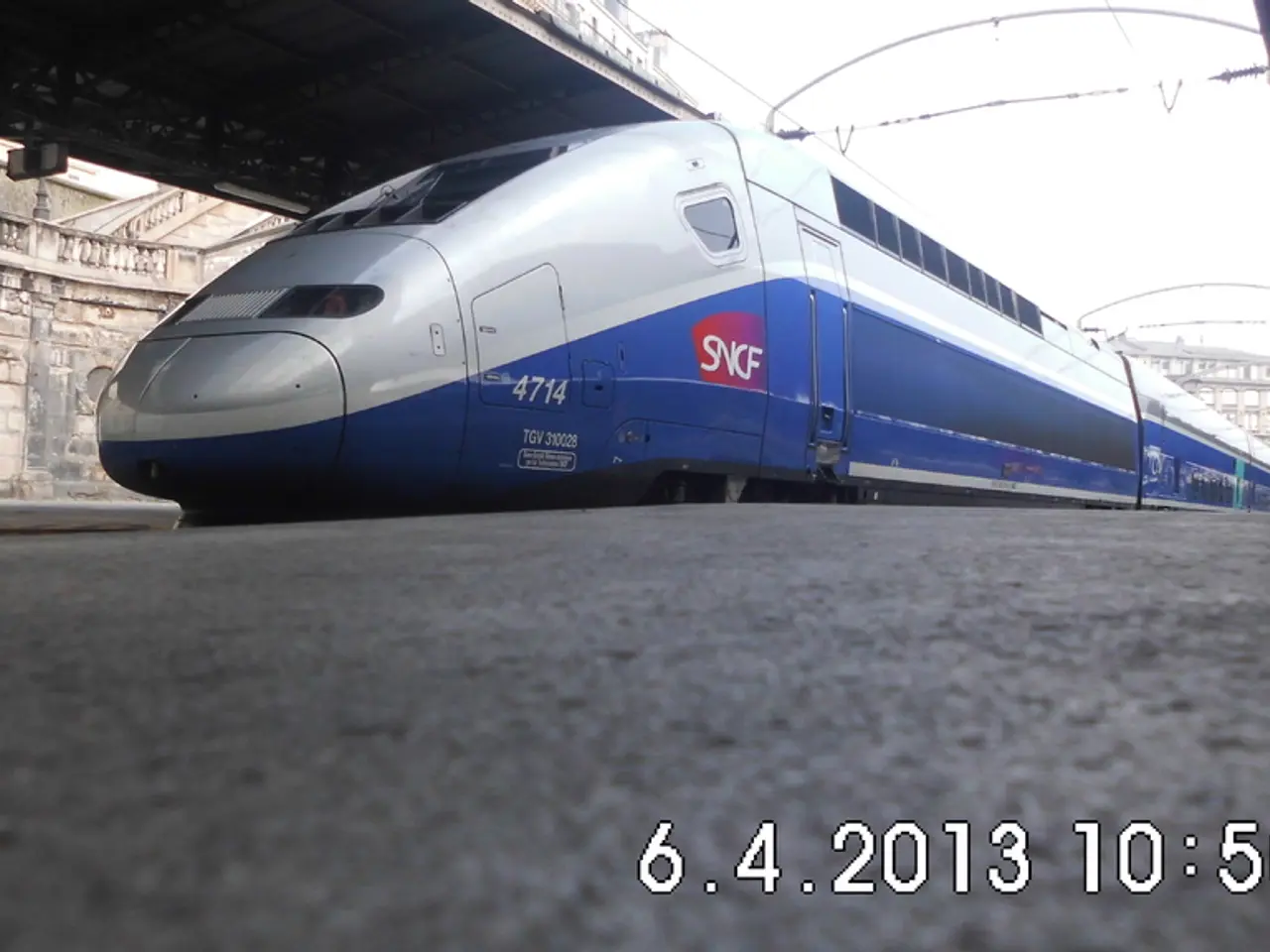
Progress observed in the development of Vietnam's rail transportation sector
Vietnam Railway Transport JSC (Traravico) has set ambitious targets for the second half of 2025, aiming to generate a total transportation revenue of $88.8 million, a 108% increase compared to the same period in 2024. This ambitious goal is part of a broader strategy by the Vietnam National Railway Corporation (VNR) to boost its revenues.
In the first half of 2025, Traravico reported consolidated revenue of over $108 million, marking a 7% year-on-year increase. This growth contributed to VNR's total revenue reaching more than $216 million, an 8.7% increase on-year.
The railway industry in Vietnam, however, faces challenges that require long-term solutions for future growth. Outdated infrastructure and a need for legal improvements are significant barriers to development. To address these issues, the Vietnamese government has passed the amended Law on Railway, opening up a more flexible legal space for private investment and the application of policies that the National Assembly had previously allowed for large-scale infrastructure projects.
Traravico is taking steps to modernise its operations. The company plans to renovate and upgrade 160 passenger carriages for the Hanoi-Ho Chi Minh City route, and build 50 new specialised container trains. These upgrades aim to improve service quality and attract more passengers and cargo.
Traravico is also focusing on operating the container transport route from Nanning in China to the southern provinces of Vietnam. The first direct cargo train between Vietnam and the European Union has been launched, marking a new approach for the railway industry in cargo transport.
Vietnam is encouraged to learn from other regional countries to find new driving factors for the industry. Thailand is constructing its first high-speed train line and expects to complete its first high-speed rail network linking to China by 2030. Indonesia boasts the fastest, most modern trains in Southeast Asia. Meanwhile, the Philippines is building new railway lines, while Malaysia is building a high-speed train with Chinese support.
Nguyen Chinh Nam, deputy general director of VNR, stated that the positive result in the first half of 2025 reflects the effectiveness of a series of innovative and synchronous solutions. To achieve the target of $88.8 million in the second half of 2025, Traravico plans to operate a new tourist train on the Hanoi-Bac Ninh route and put into use high-quality carriages on effectively operating lines.
However, despite some upgrades and innovations, they are not considered sufficient to address the challenges. Industry experts stress the need for long-term solutions and legal improvements to increase the attractiveness of the railway industry for private investment. As Vietnam moves forward with its high-speed rail project, connecting Hanoi to Ho Chi Minh City and spanning 20 regions, with an estimated cost of approximately $67 billion, it is clear that the railway industry in Vietnam is poised for significant growth and development.
Read also:
- Understanding Hemorrhagic Gastroenteritis: Key Facts
- Trump's Policies: Tariffs, AI, Surveillance, and Possible Martial Law
- Expanded Community Health Involvement by CK Birla Hospitals, Jaipur, Maintained Through Consistent Outreach Programs Across Rajasthan
- Abdominal Fat Accumulation: Causes and Strategies for Reduction