Remnant Amchis of Spiti: A Heritage Balancing on a Thread
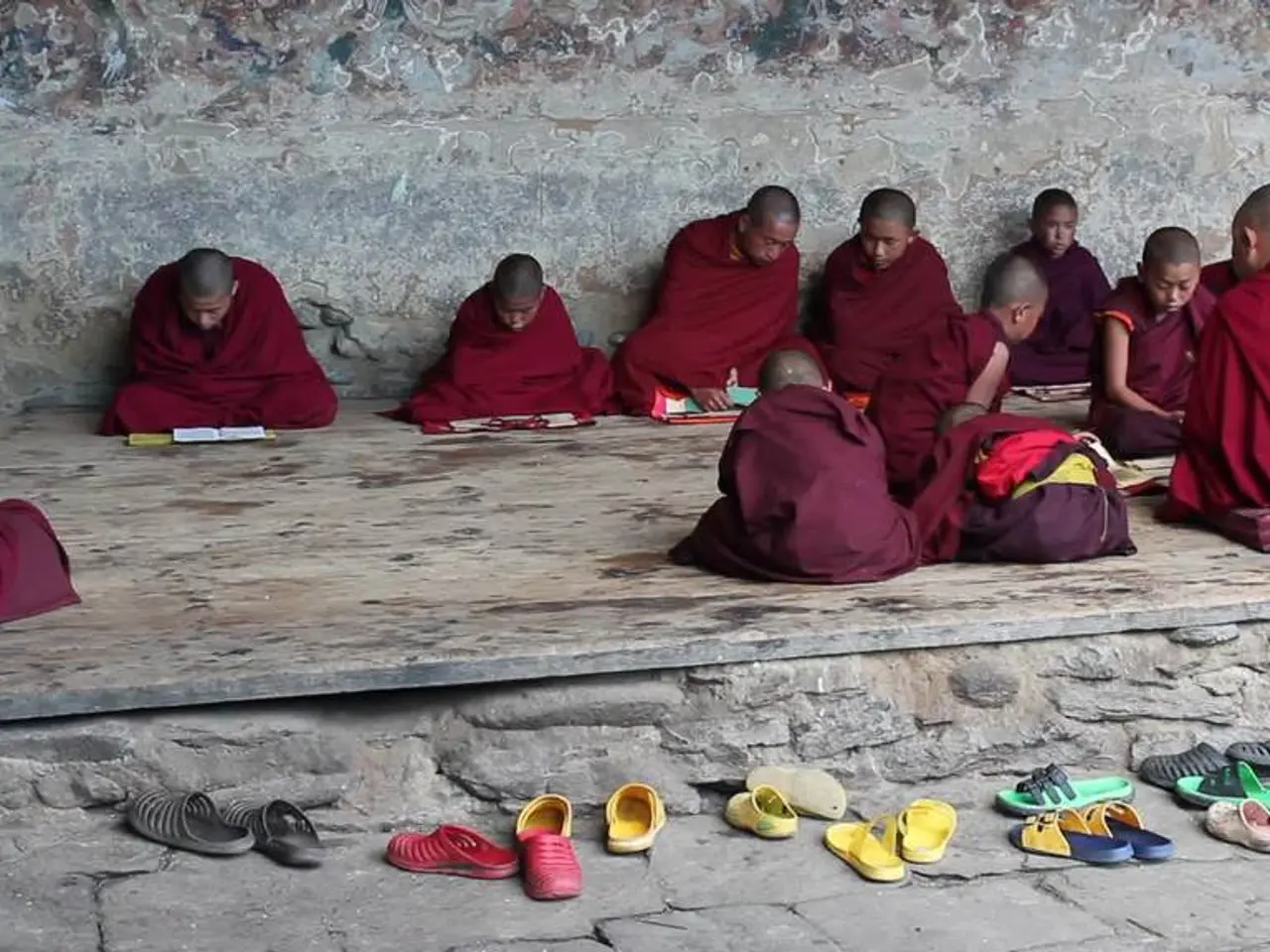
In the heart of the Himalayas, nestled amidst rugged landscapes and Buddhist monasteries, lies the remote valley of Spiti. Here, an ancient healing tradition known as Sowa Rigpa continues to thrive, with a small but dedicated group of practitioners known as Amchis.
Sowa Rigpa, also known as the Ancient Science of Healing, came into being about 2500 years ago when Shakyamuni Buddha manifested the medicinal form of himself while meditating in a forest. The knowledge of this healing system was initially passed on by lineage, but was formalised into a structured course in 1916 by the 13th Dalai Lama and is now taught at Men-Tse-Khang, Lhasa in Tibet.
In Spiti, the Amchi system is a traditional medical practice where doctors diagnose illnesses by reading pulses. The four Tibetan medicine tantras form the core principles of this practice. The root tantra, rTsa rGyud, discusses types of illnesses in present and future times, in humans and animals alike, and imbalances in the body caused by the different elements. The Explanatory Tantra, bS`ad rGyud, delves into methods like pulse reading, urine observations, and genetic history to identify illnesses. The Subsequent Tantra, Phyi ma rGyud, focuses on the identification of medicinal plants and the making of medicines. The Oral Instruction tantra, Man ngag rGyud, focuses on the practical application of the first two tantras.
One of the surviving Amchis in Spiti is Chhering Norbu (Smanla Khang Gyu ngul). He was taught by his family and senior Amchis about diagnosing illnesses and identifying medicinal plants. Norbu ji, another Amchi, mastered the Sowa Rigpa from Dharamshala and feels a deep sense of responsibility to keep the Amchi tradition alive.
Norbu ji's journey as an Amchi began under unusual circumstances. Encouraged by the village deity and the community, he started practicing as an Amchi after his father passed away shortly after he began his studies. In Norbu ji's time, there were about 24 practicing Amchis in Spiti, but today, there are only 4-5.
The Amchi system works on barter in the Buddhist tradition, with people giving what they can in return, such as a sack of rice or help when needed. The Ministry of Ayush recognises Amchis and has set up a Sowa Rigpa institute in Ladakh to promote quality education and research facilities.
Despite the challenges, the knowledge of Sowa Rigpa is being passed on to a new generation. It is no longer just the eldest son who learns this ancient healing art. Daughters have also started learning and carrying on this practice. This ensures that the ancient wisdom of Sowa Rigpa continues to heal and bring balance to the people of Spiti.
In Spiti, the Amchi tradition is more than just a medical practice. It is a way of life, a bond with the community, and a connection to the past. For the Amchis of Spiti, preserving this ancient healing tradition is a sacred duty, a testament to their culture, and a beacon of hope for the future.
Read also:
- Understanding Hemorrhagic Gastroenteritis: Key Facts
- Stopping Osteoporosis Treatment: Timeline Considerations
- Tobacco industry's suggested changes on a legislative modification are disregarded by health journalists
- Expanded Community Health Involvement by CK Birla Hospitals, Jaipur, Maintained Through Consistent Outreach Programs Across Rajasthan