
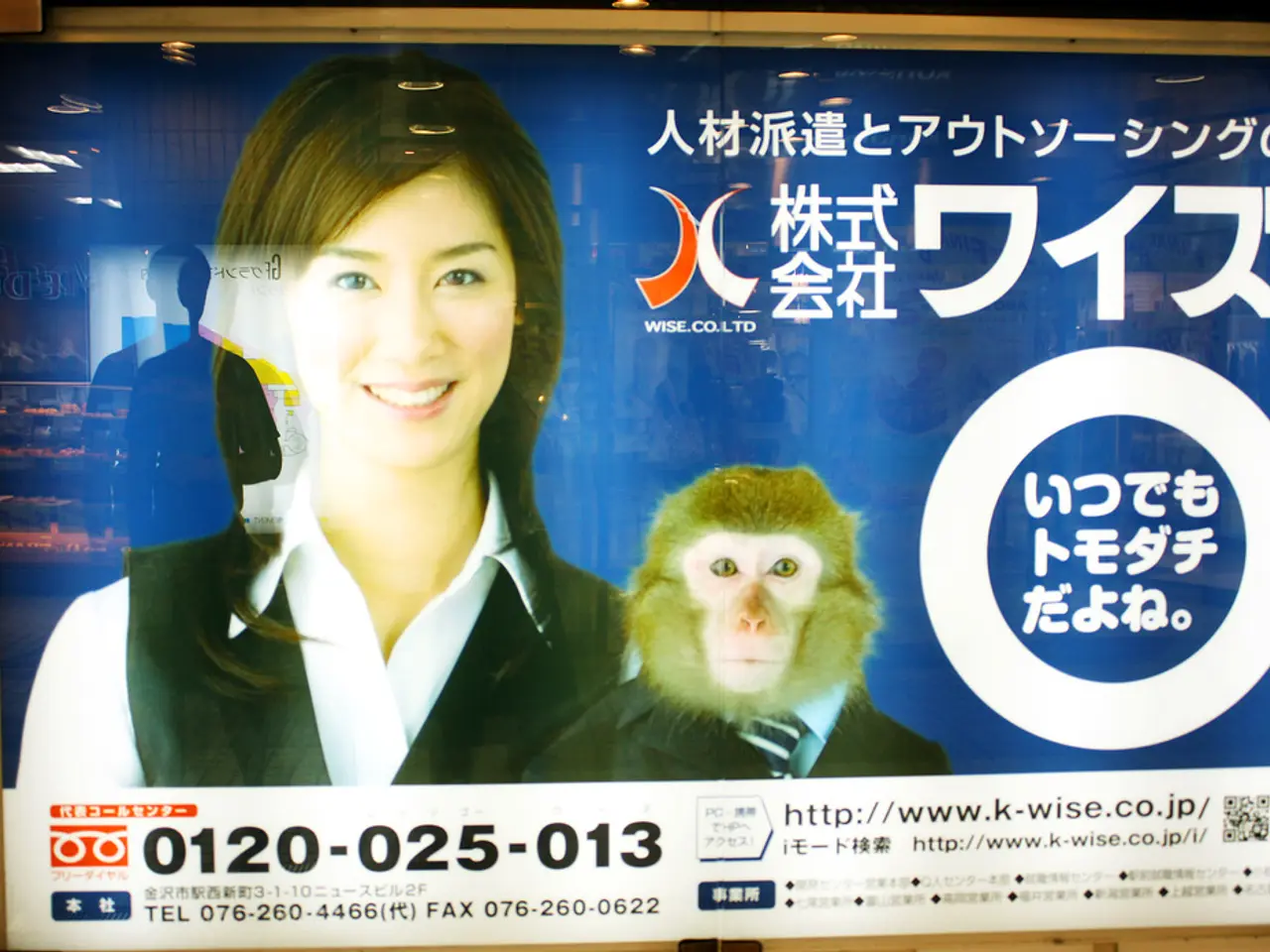
Transforming Objects or Concepts into Human-Like Entities: Psychological Implications, Advantages, and Disadvantages
In the realm of psychology, a fascinating topic that has caught the attention of many prominent scholars is anthropomorphization. This practice, which involves attributing human qualities to animals, objects, or phenomena, has been explored by psychologists such as Prof. Dr. Birgit Beck of the Technical University of Berlin, who has delved into anthropomorphism in the context of AI and human-machine interaction. Her research encompasses various types, including naive, emotional, cognitive, and heuristic/pragmatic anthropomorphism. Marisa Tschopp, another renowned researcher, focuses on human-machine relationships and has developed models on the perception of relationships between humans and AI systems.
The practice of anthropomorphization is not limited to complex machines or AI. People often attribute personality characteristics, preferences, and opinions to everyday objects, such as soft toys, and even extend this practice to computers, robots, and electronic toys. A study from 2018 revealed that children often anthropomorphize by giving traits and emotions to their toys, a habit that many continue into adulthood.
Anthropomorphization can also be seen in more unexpected areas. For instance, treating cars, computers, and machines as if they have minds is another example. However, misunderstandings can arise when anthropomorphizing pets, as attributing human thoughts and behaviors to them can lead to misinterpretations of their needs and behaviors.
Despite its potential pitfalls, anthropomorphization can offer benefits. It may help in understanding other people and connecting with the world around us. For some, it provides anxiety or stress relief by attributing emotions to something comforting, such as a soft toy. People give human names to storms as a form of anthropomorphizing, a practice that can promote empathy levels towards nature, potentially improving attitudes towards conservation initiatives and policies.
Moreover, anthropomorphizing can fulfill a social need, particularly for individuals who are lonely or sensitive about social relationships. Dressing animals in clothing is an example of anthropomorphizing, as is empathizing with inanimate objects that have human-like features. Anthropomorphizing is done to make sense of events and behaviors, and can help people feel connected to non-human things.
However, it's crucial to note that more research is needed to determine further dangers or downsides to anthropomorphizing. For example, anthropomorphizing may cause harm to pets if their biological needs are overlooked due to attributing human characteristics to them. It's essential to strike a balance between understanding and empathy, and recognizing the unique needs and characteristics of non-human entities.
In conclusion, anthropomorphization is a fascinating and widespread phenomenon that has both positive and negative implications. While it can help us connect with the world around us, it's essential to be mindful of its potential pitfalls and strive for a balanced understanding of the unique qualities of non-human entities.
Read also:
- Understanding Hemorrhagic Gastroenteritis: Key Facts
- Stopping Osteoporosis Treatment: Timeline Considerations
- Expanded Community Health Involvement by CK Birla Hospitals, Jaipur, Maintained Through Consistent Outreach Programs Across Rajasthan
- Abdominal Fat Accumulation: Causes and Strategies for Reduction








