
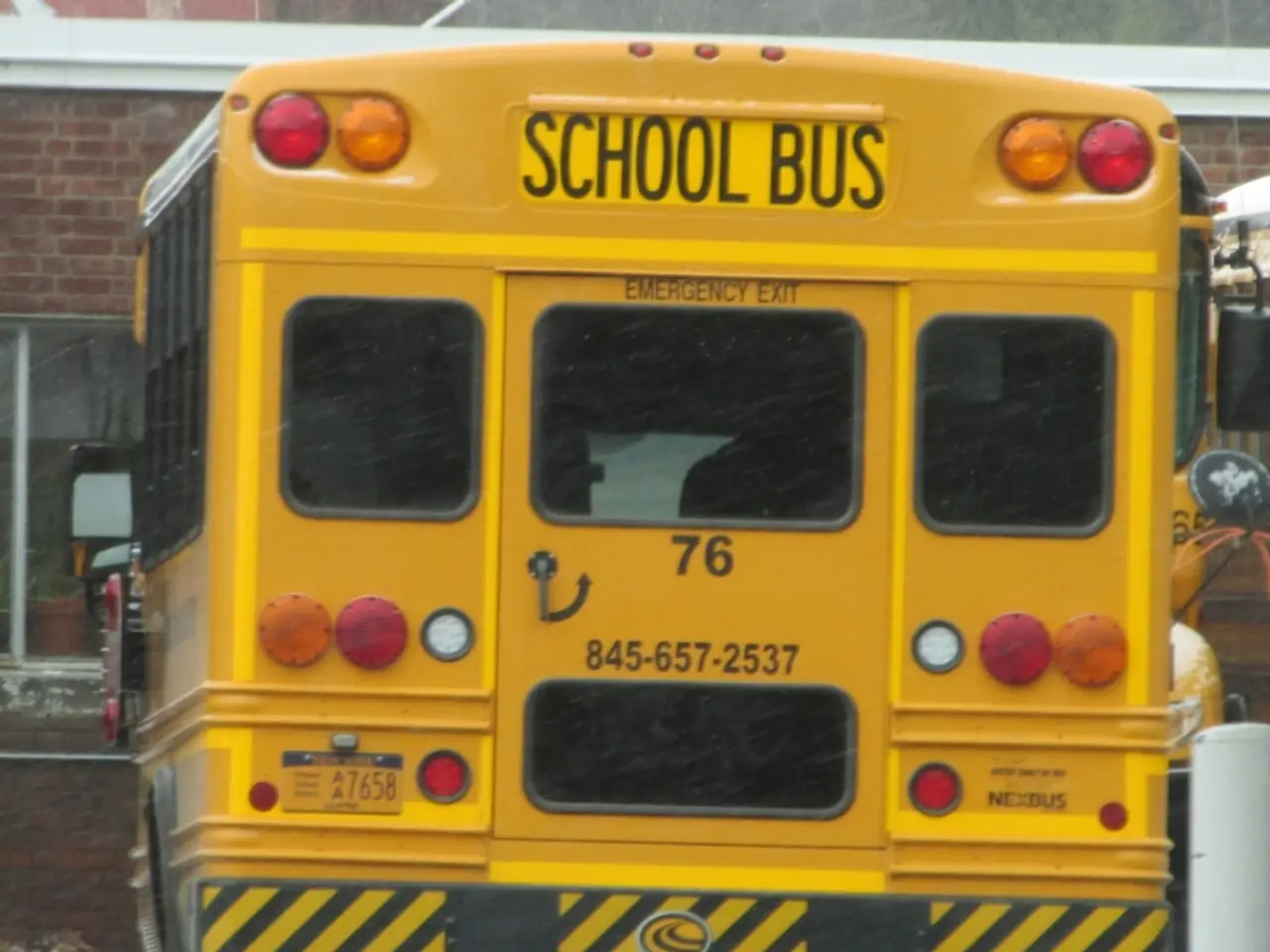
Transitioning High School Students from School Buses to Public Transportation in Certain Districts
In an effort to save costs and prepare students for real life, the Cincinnati school district is exploring the use of public transit for student transportation. This shift, which could potentially reduce transportation expenses from $3,000 per student on school buses to $350 per student using the city's metro system, is part of a growing trend across the United States.
The move from school buses to public transit took about six months to turn from concept to operation in Cincinnati. However, the timeframe may vary depending on the size of the school district. In Miami-Dade County, Florida, for instance, the district receives funding for each student who qualifies for school bus transportation.
City transit drivers operate routes open to the general public, but in Cincinnati, extra Metro staff members and police officers have been stationed at major transit centers to help ensure student safety during the transition. The district has sent the city's metro system the home and school locations for each student to map out potential routes.
While public transit is a viable option in urban areas where the infrastructure exists, challenges such as overcrowding at stops or long wait times could arise. In rural or suburban areas, students may live too far apart or lack safe walking routes to bus stops, which could pose challenges for public transit implementation.
Several school districts in the United States have established partnerships with their local transit agencies, enabling students to use city buses, light rail, or subway systems for commuting. Notable examples include the Los Angeles Unified School District utilizing LA Metro services and the Seattle Public Schools collaborating with King County Metro.
The Cincinnati school district has created a detailed communication plan to smooth the transition to public transit. This includes TikTok-style social videos, local news interviews, school-based orientations, and a free ride option for parents during the first week of school.
It's worth noting that the district must still provide yellow bus service for younger students and those with Individualized Education Programs. The average cost of a new school bus in 2025 ranges from $90,000 to $140,000, making the cost savings from using public transit a significant factor in the district's decision.
Some leaders argue that public transit prepares students for real life, as it teaches them about schedules, routes, and navigating unfamiliar environments. This shift towards public transit is a testament to the district's commitment to fiscal responsibility and preparing students for the world beyond school.
The article has been updated to correct the spelling of Tony Stillwell's last name in a photo caption.
Read also:
- Understanding Hemorrhagic Gastroenteritis: Key Facts
- Trump's Policies: Tariffs, AI, Surveillance, and Possible Martial Law
- Expanded Community Health Involvement by CK Birla Hospitals, Jaipur, Maintained Through Consistent Outreach Programs Across Rajasthan
- Abdominal Fat Accumulation: Causes and Strategies for Reduction








