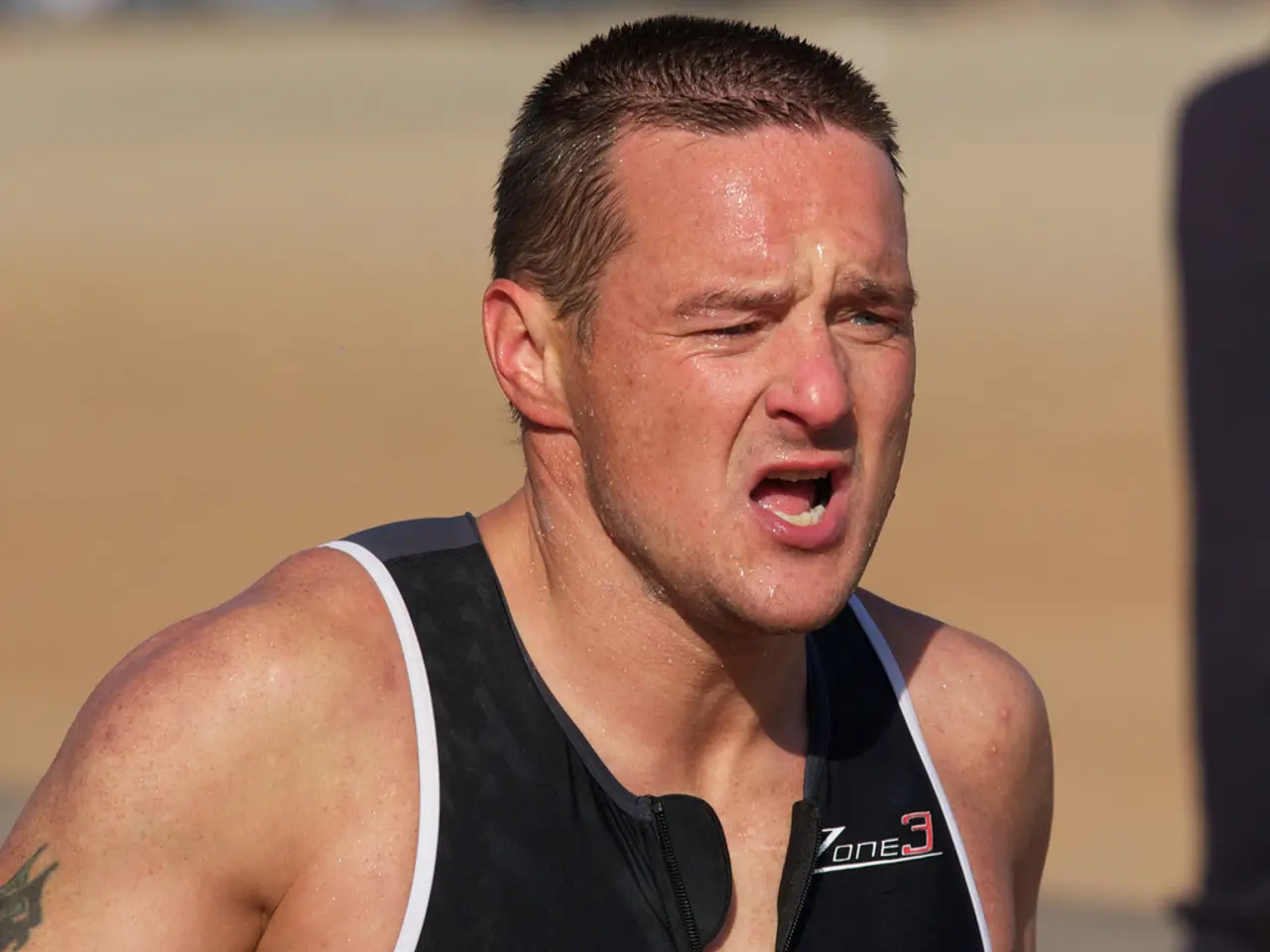
Unbearable Heat Exposure: Recognizing and Managing Heat Exhaustion and Heat Stroke Independently is Challenging
In the sweltering heat of summer, it's essential to be aware of the signs and symptoms of heat-related illnesses. Two common heat-related conditions are heat exhaustion and heat stroke, both of which can be dangerous if left untreated.
Heat exhaustion, a less severe but still concerning condition, presents with symptoms such as high body temperature between 101°F (38.3°C) and 104°F (40°C), pale skin, muscle cramps, headaches, dizziness, weakness and fatigue, nausea and vomiting, rapid breathing, and increased heart rate. If you experience these symptoms, it's crucial to get out of the heat, drink water, and take steps to bring down your body temperature.
Heat exhaustion occurs when the body can't cool itself through sweating and can progress to heat stroke if not addressed promptly. Heat stroke, also known as sunstroke, is the most severe heat-related illness with a rapid rise in body temperature and the potential to be deadly without treatment. Symptoms of heat stroke include a high body temperature above 104°F (40°C), dry, red skin, inability to sweat, seizures, dizziness or fainting, slurred speech, hallucinations and altered mental state, confusion, aggression or agitation.
Emergency room professionals have methods to cool your body quickly and will monitor you for complications of overheating. It's essential to seek medical attention immediately if you suspect heat stroke, especially neurologic symptoms such as confusion, stumbling, or clumsiness.
Several factors increase the risk of heat-related illnesses. These include alcohol consumption, prolonged standing, especially in large crowds, which reduce heat dissipation through the skin, fluid and electrolyte loss without adequate replacement leading to decreased blood volume, and conditions causing impaired circulation. People working or exercising outside in the heat are more likely to develop heat-related illnesses. Age is also a factor, with babies, children, and older adults being most vulnerable.
To avoid heat illness in the future, drink plenty of water as temperatures increase, take frequent breaks during intense exercise or long stretches of activity on hot days, get to a cool area if you notice signs of heat exhaustion, and pay attention to what's going on around you to help others who may be experiencing heat illness. On hot, humid days, sweating might not be enough to offer all the cooling the body needs, so it's essential to take extra precautions.
Heat rash, also known as prickly heat, is a red, stinging rash that develops when you're hot and sweaty. Heat cramps are painful muscle cramps that can occur during exercise in hot weather due to loss of salts and fluids. Both conditions are less severe but can be uncomfortable and should be addressed to prevent more serious heat-related illnesses.
In conclusion, heat exhaustion and heat stroke exist on a spectrum from not-so-serious to a significant and life-threatening emergency. Emergency medicine physician Thomas Waters, MD, states that heat illnesses can be serious, and it's crucial to take precautions to stay safe during hot weather. If you continue to feel sick or notice signs of heat stroke, especially neurologic symptoms such as confusion, stumbling, or clumsiness, call 911 or your local emergency hotline. Stay cool, stay hydrated, and stay safe this summer!
Read also:
- Understanding Hemorrhagic Gastroenteritis: Key Facts
- Stopping Osteoporosis Treatment: Timeline Considerations
- Tobacco industry's suggested changes on a legislative modification are disregarded by health journalists
- Expanded Community Health Involvement by CK Birla Hospitals, Jaipur, Maintained Through Consistent Outreach Programs Across Rajasthan