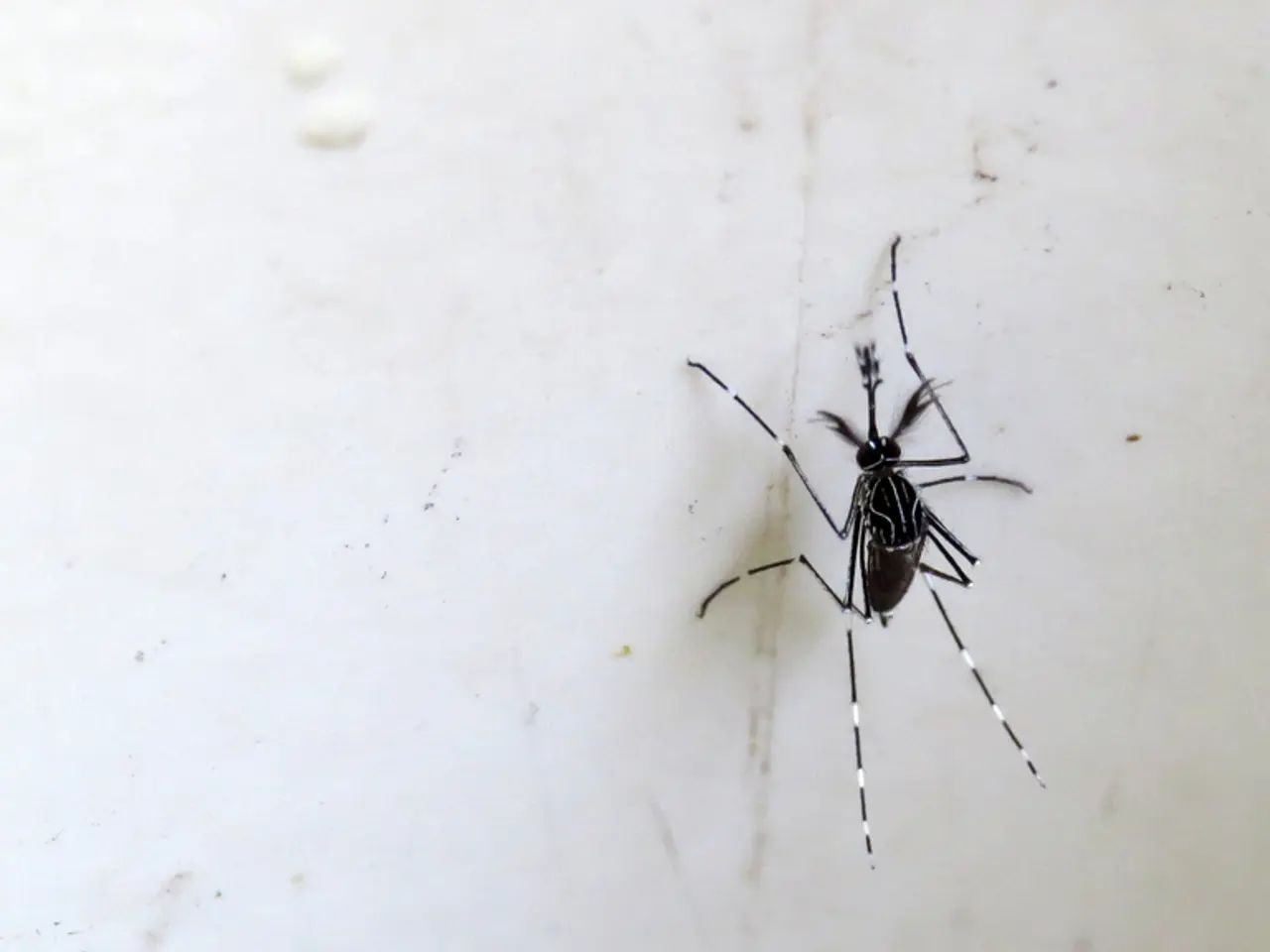
Understanding West Nile Virus: An Insight into Its Nature
The West Nile Virus (WNV) is a mosquito-borne illness that has spread across the globe, affecting humans, horses, and various animals. This virus, first identified in Uganda in 1937, made its first significant impact in the United States in 1999, with a major outbreak in New York City.
The primary transmitter of the WNV is the Culex pipiens species, commonly known as the common house mosquito. These insects become infected when they feed on the blood of infected birds, which serve as the primary hosts of the virus. Particularly in the United States, crows and jays were observed as the primary hosts in the initial outbreak.
Mild symptoms of WNV may include fever, headache, body aches, fatigue, and rash. However, severe cases can lead to more serious neurological diseases such as encephalitis or meningitis. Symptoms of a severe infection may include high fever, stiff neck, confusion, seizures, and muscle weakness or paralysis.
If you or someone you know is experiencing severe symptoms, it is crucial to seek medical attention immediately. There is no specific cure for WNV, and treatment primarily focuses on relieving symptoms and preventing complications.
Warmer temperatures and altered precipitation patterns can expand mosquito habitats, potentially increasing the risk of outbreaks. This may lead to extended mosquito seasons and new regions at risk for WNV. Public awareness campaigns, regular mosquito control programs, and community clean-up events to remove standing water and other potential breeding sites can help reduce the risk of WNV.
To protect yourself, consider using EPA-registered insect repellents containing DEET, picaridin, or oil of lemon eucalyptus. Wearing long sleeves and pants, and installing screens on windows and doors can also help reduce the risk of mosquito bites.
Ongoing research is focusing on developing vaccines for humans and horses, understanding the genetic makeup of the virus and its vectors, and exploring other control strategies to combat WNV. For more detailed information, visit reputable health organization websites such as the Centers for Disease Control and Prevention (CDC) or your local health department's website.
While humans and horses are considered dead-end hosts, meaning they do not contribute to the virus's transmission cycle, West Nile Virus can affect other animals, including horses. Vaccines are available for horses to help prevent infection. If you suspect your pet may be infected, consult a veterinarian.
The risk of transmission increases during warmer months, typically from late spring to early fall, when mosquitoes are most active. People over the age of 50 and individuals with weakened immune systems, diabetes, hypertension, or other chronic illnesses are at a higher risk of severe illness if infected with WNV.
Staying informed about WNV activity in your area and reporting increased mosquito activity or potential breeding sites to local authorities can help prevent outbreaks. WNV cases typically peak in late summer and early fall, and some areas, particularly in the Midwest and Southern United States, report higher cases due to favorable breeding conditions.
In conclusion, the West Nile Virus is a serious threat that can be prevented with proper education, awareness, and precautions. By understanding the virus, its transmission, and the steps we can take to protect ourselves and our communities, we can help reduce the impact of WNV.
Read also:
- Understanding Hemorrhagic Gastroenteritis: Key Facts
- Stopping Osteoporosis Treatment: Timeline Considerations
- Tobacco industry's suggested changes on a legislative modification are disregarded by health journalists
- Expanded Community Health Involvement by CK Birla Hospitals, Jaipur, Maintained Through Consistent Outreach Programs Across Rajasthan